
Litigation Blogs
Ever thought your share of a property was untouchable? In Florida, co-owners can force a sale or division of real estate through a partition action—even if you object. Partition actions are governed by Florida Statutes § 64.021 and § 64.061, which empower any co-owner to…
Are you aware that missing a single deadline in a Florida foreclosure case can strip you of your right to defend your property? The 20-day response window after being served with a foreclosure complaint is non-negotiable. If you fail to answer, the court may enter…
Ever thought a failed real estate deal in Florida just means a refund? The truth is, Florida law gives you more options—if you know how to use them. The difference between specific performance and damages can make or break your case, and the clock is…

Are you sure your business secrets are actually protected? Florida’s Uniform Trade Secrets Act (Fla. Stat. § 688.002) sets a high bar for what qualifies as a trade secret. It’s not enough to call something confidential—courts demand proof that your information has independent economic value…
Think a breach of confidentiality guarantees a payday? Florida law says otherwise. Courts demand that you prove damages with hard evidence—not assumptions or hypothetical losses. Under Fla. Stat. § 90.502, privileged information is protected, but when a breach occurs, the burden shifts to the plaintiff…
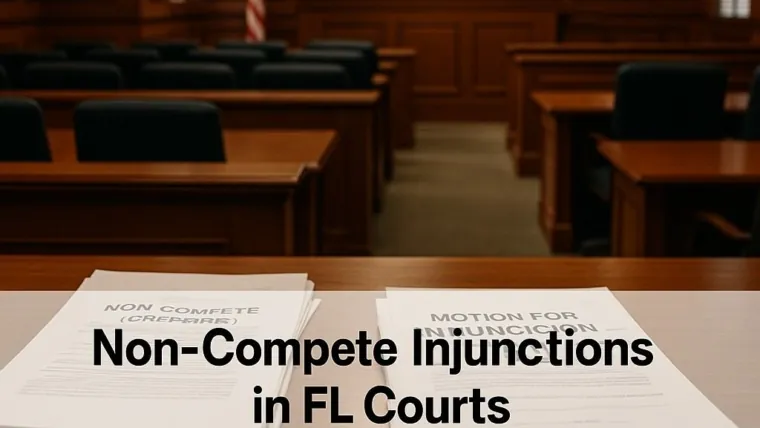
Are you relying on a non-compete agreement to protect your business? Florida courts scrutinize these restrictions, and the path to an injunction is anything but automatic. The stakes are high: a poorly executed strategy can leave your business exposed, while a well-prepared case can secure…
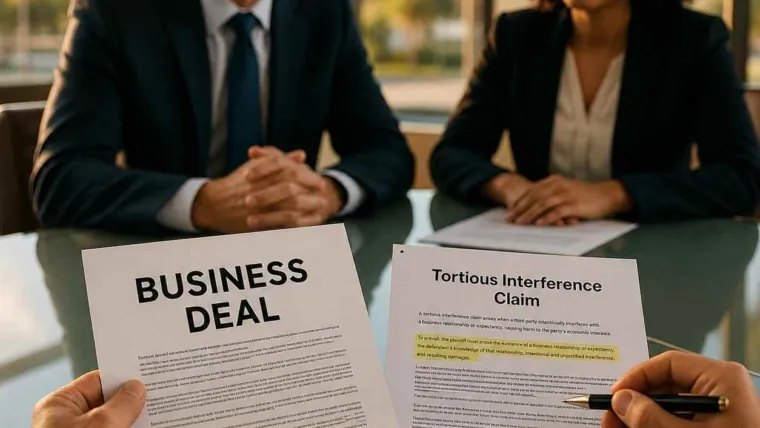
Ever lost a major client because a competitor swooped in and sabotaged your deal? In Florida, that’s not just bad business—it could be grounds for a lawsuit. Business interference, or tortious interference, happens when someone intentionally disrupts your existing or prospective business relationships. Florida courts…
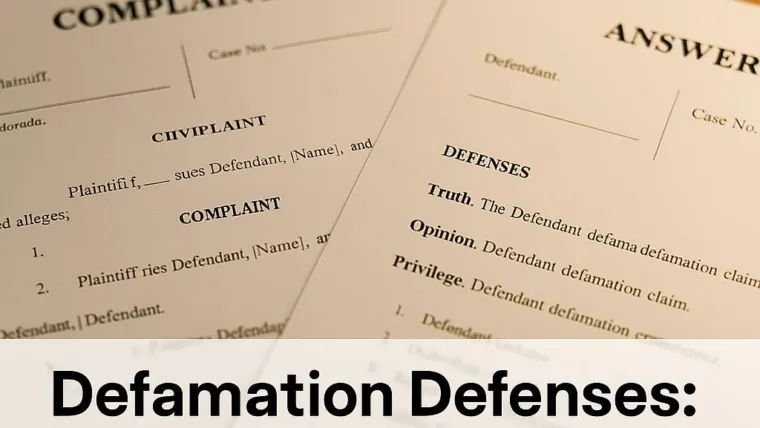
Think a defamation lawsuit is a slam dunk if someone’s reputation is on the line? Not so fast. In Florida, the law provides robust defenses that can turn the tables in court. Understanding these defenses—truth, opinion, and privilege—can make or break your case. Truth: The…
What’s the biggest mistake people make in Florida defamation cases? Relying on opinions instead of hard evidence. Under Florida law, defamation requires a false statement of fact—not just a harsh opinion. Fla. Stat. § 770.01 sets the standard: the plaintiff must prove a published false…
Think your money is being held by someone who shouldn’t have it? Florida courts have a powerful tool: the constructive trust. This remedy isn’t just a legal technicality—it’s a way to force the return of assets when someone else possesses them unjustly. Constructive trusts are…
Can you recover money in Florida even if there’s no contract? Absolutely—if you know how to plead unjust enrichment. Many businesses and individuals lose out simply because they don’t understand the legal requirements or confuse unjust enrichment with breach of contract. Florida courts recognize unjust…
Ever wondered if your business dispute could be more than just a fight over lost money? Florida’s civil theft statute, § 772.11, can turn a routine lawsuit into a high-stakes battle by multiplying damages—sometimes tripling them—if you meet the statute’s demanding requirements. Civil theft is…
Ever trusted a business partner, trustee, or corporate officer—only to discover they put their interests ahead of yours? In Florida, that’s not just a betrayal; it’s grounds for a powerful civil lawsuit. Fiduciaries are legally bound to act with loyalty, honesty, and full disclosure. When…
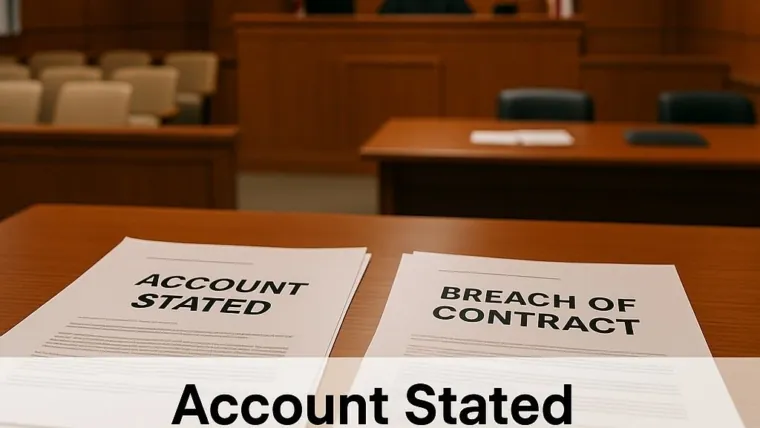
Confusing Account Stated with Breach of Contract is a common—and costly—mistake in Florida civil litigation. These claims may sound similar, but Florida courts treat them as distinct legal actions, each with its own requirements, deadlines, and strategic advantages. Account Stated is a powerful tool when…
Ever been burned by false information but couldn’t prove fraud? Negligent misrepresentation is the claim that fills the gap. In Florida, this cause of action targets statements made without reasonable care—where someone should have known their words were misleading, but didn’t intend to deceive. It’s…
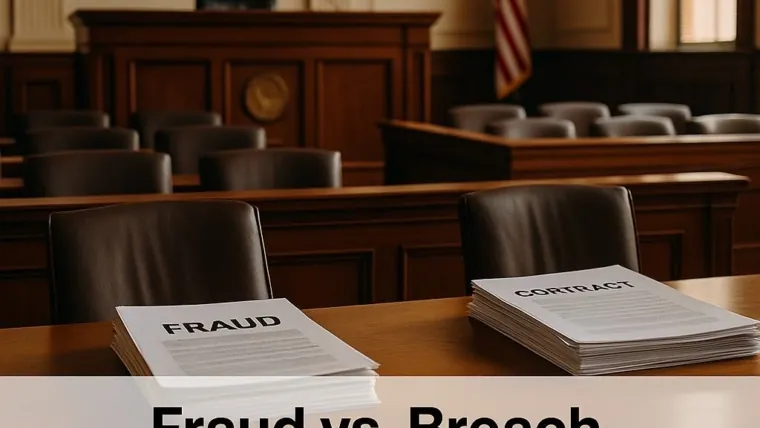
Ever been tempted to turn a contract dispute into a fraud case? Many litigants try to ‘add fraud’ to boost leverage or damages, but Florida law draws a hard line. Courts require more than a broken promise—fraud demands proof of intentional deception, not just a…
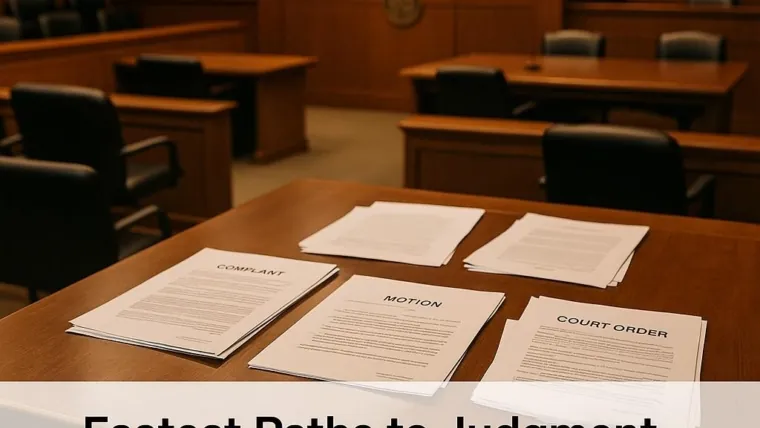
Are you chasing a business debt in Florida and assuming trial is your only option? That’s a costly misconception. In civil litigation, the fastest path to judgment often lies in summary or default judgment—not a full courtroom showdown. Florida’s procedural rules give creditors powerful tools…
Can a handshake or spoken promise really bind you in Florida? The answer is yes—sometimes. Florida law recognizes oral contracts, but not all verbal agreements are created equal. Under Fla. Stat. § 725.01, certain contracts must be in writing to be enforceable, including those involving…
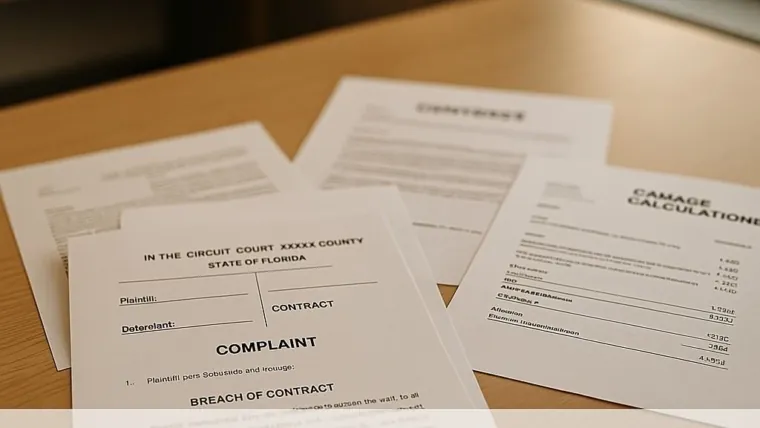
What’s the number one reason Florida breach of contract lawsuits fail? Plaintiffs overlook one of the three elements required by law. If you’re considering legal action, you need to know exactly what Florida courts demand. Florida’s Legal Standard for Breach of Contract Under Florida law,…
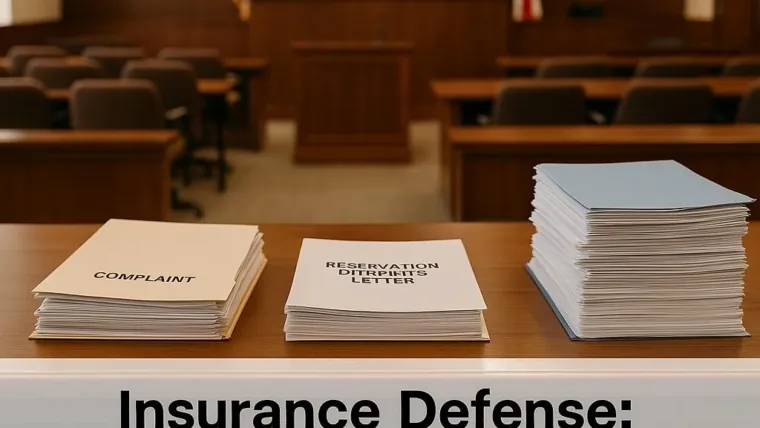
Who’s really in charge when your insurance company appoints a lawyer to defend you in a Florida civil lawsuit? Most policyholders assume the attorney is fighting for their interests, but the reality is far more complicated—and potentially risky. Under Florida Statute §627.426, your carrier has…
Can your business really shield you from personal liability in a Florida lawsuit? Many owners are shocked to learn that courts can pierce the corporate veil, pulling them directly into civil litigation when fraud, improper conduct, or abuse of the corporate structure is proven. Florida…
Think moving assets shields you from lawsuits? Florida law says otherwise. Under Florida’s Uniform Fraudulent Transfer Act (FUFTA), transferring property, cash, or business interests to avoid creditors can spark a whole new lawsuit. Courts scrutinize the timing, intent, and whether you received fair value for…
Winning a civil lawsuit in Florida is only half the battle. Many judgment holders are shocked to discover that a court victory does not guarantee payment. The real power comes from judgment liens—legal tools that cloud a debtor’s assets and force them to take action.…
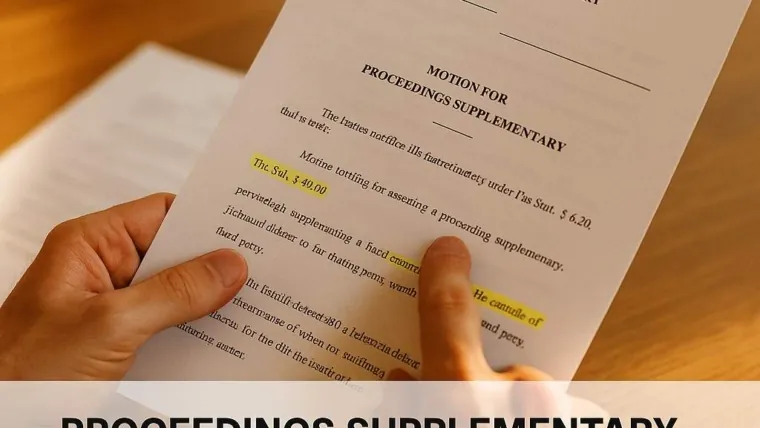
Think a judgment means you’ve won? In Florida, the real battle often begins after the verdict. Debtors frequently try to sidestep payment by hiding assets or transferring them to friends, family, or shell companies. That’s where proceedings supplementary come in—a powerful tool under Fla. Stat.…
Can a Florida court really freeze your bank account after a civil lawsuit? Absolutely—if the creditor follows the law. Writs of garnishment are a powerful tool under Florida Statutes §§ 77.01–77.19, allowing judgment holders to legally seize funds from a debtor’s bank account. But the…
Ever wondered if a civil judgment means you have to pay up immediately? In Florida, the answer is no—if you know how to leverage a supersedeas bond. This legal tool can halt collection efforts while you pursue an appeal, but only if you follow the…
Ever seen a strong case unravel on appeal because of a missed objection? In Florida civil litigation, preserving error is the single most important step to protect your right to appeal. Courts won’t review issues unless they were properly raised and documented at trial. That…
Ever heard someone say, “We’ll just appeal and try again”? That’s a costly misconception in Florida civil litigation. Appeals are not a second bite at the apple—they’re a legal review, not a retrial. The appellate court examines the trial record for legal errors, not for…
Ever seen a courtroom victory turn sour because the paperwork wasn’t right? In Florida civil litigation, the real power isn’t in the verdict—it’s in the final judgment. This document, signed by the judge and filed with the clerk, is the official record of who won,…
Think a verdict is the end of your civil dispute? In Florida, the law gives you a powerful second chance. Post-trial motions are the legal tools that can reshape the outcome of a case—even after the jury or judge has spoken. Under Fla. R. Civ.…
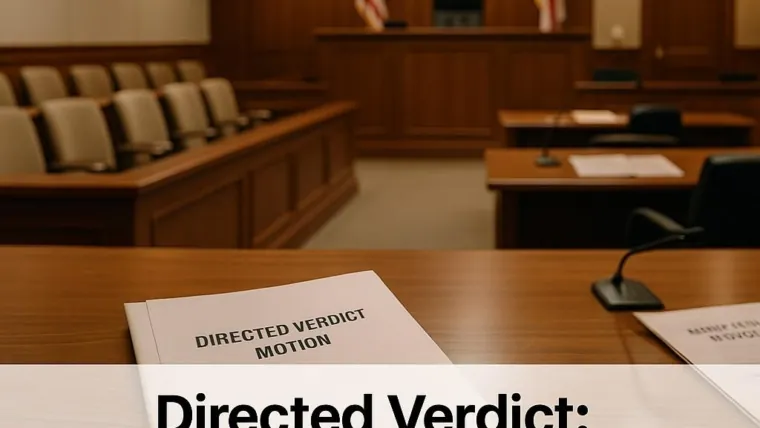
Ever seen a case collapse before the jury even gets a chance to deliberate? In Florida civil litigation, a directed verdict is the mid-trial motion that can instantly end a weak case. This tool is governed by Fla. R. Civ. P. 1.480, which allows a…
Ever seen a witness try to win over a Florida judge with theatrics? It rarely works. In civil litigation, credibility is the currency that matters most. Florida’s courts and juries are trained to spot inconsistencies, and they rely on clear, reliable testimony and evidence. Fla.…
Seconds can decide the fate of your case in a Florida civil trial. If you miss the moment to object, you may lose the ability to challenge improper evidence or testimony. Florida Rule of Civil Procedure 1.450 and Florida Statute § 90.104 require objections to…
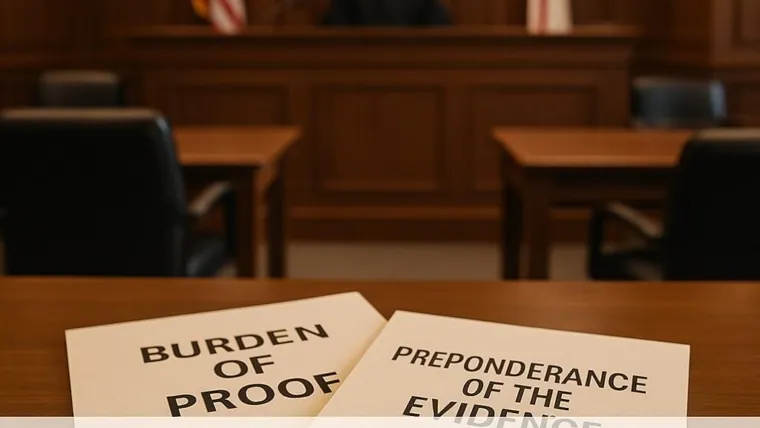
Why do so many people lose civil lawsuits in Florida? The answer often lies in misunderstanding the burden of proof. In civil cases, the standard is not as high as in criminal trials, but it’s just as decisive. Florida courts require you to prove your…
What happens in the last 10 minutes of your closing argument can determine the outcome of your Florida civil case. Many litigants underestimate the power of this final moment, but juries often make up their minds during the closing. Florida Rule of Civil Procedure 1.470(b)…
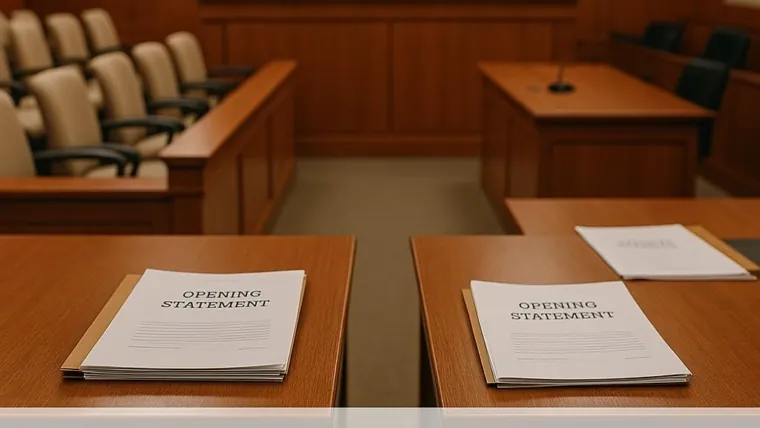
Can an attorney guarantee a win in a Florida courtroom during opening statements? Absolutely not. The opening statement is a critical moment in any civil trial, but Florida law draws a hard line between previewing evidence and promising results. Fla. R. Civ. P. 1.470 and…
Are you risking your case by picking the wrong decision-maker? In Florida civil litigation, the choice between a bench trial and a jury trial is more than procedural—it’s strategic. A bench trial puts your fate in the hands of a judge, while a jury trial…
Think your evidence will automatically sway the judge or jury? In Florida civil litigation, the process of admitting exhibits is a legal minefield. The court won’t accept your documents, photos, or emails just because you present them. You must follow strict procedures, or risk losing…
Ever seen a case collapse because a key witness didn’t show? In Florida civil litigation, trial subpoenas are the legal mechanism that gets witnesses in the room when the stakes are highest. The process isn’t just paperwork—Fla. R. Civ. P. 1.410 and Fla. Stat. §…
Can a single expert opinion tip the scales in your Florida lawsuit? Absolutely—unless you know how to challenge unreliable testimony. Daubert challenges are the legal tool for striking ‘junk science’ from the courtroom, and they’re more relevant than ever in Florida civil litigation. Florida Statute…
Ever seen a case unravel because an expert was excluded? In Florida civil litigation, expert disclosure deadlines are not suggestions—they’re hard lines. Courts expect you to disclose your expert witnesses by the date set in scheduling orders or under Fla. R. Civ. P. 1.280(b)(5) and…
Are you throwing money at experts your case doesn’t need? In Florida civil litigation, expert witnesses are not a default requirement. Fla. Stat. § 90.702 makes clear that experts are only necessary when their specialized knowledge will help the judge or jury understand evidence or…
Ever wondered why a perfectly honest statement can be blocked from Florida civil court? The answer lies in the hearsay rule—a cornerstone of evidence law that keeps some ‘truth’ out of the courtroom. Hearsay is any out-of-court statement offered to prove the truth of what…
What happens when the jury hears evidence that shouldn’t be allowed? In Florida civil litigation, the answer often lies in a well-timed motion in limine. This pretrial motion is designed to keep prejudicial, irrelevant, or legally improper evidence out of the courtroom—before the jury ever…
What’s the most overlooked weapon in Florida civil litigation? Affidavits and declarations—documents that can tip the scales before you ever step into a courtroom. These sworn statements are often the backbone of summary judgment motions, but their power depends entirely on strict compliance with Florida…
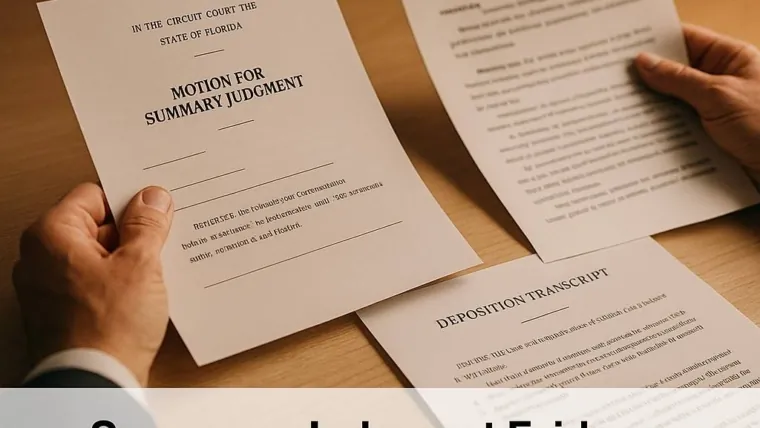
Think your lawyer’s arguments will carry the day at summary judgment? Florida courts aren’t swayed by rhetoric—they demand admissible evidence. Under Fla. R. Civ. P. 1.510, summary judgment is granted only when there’s no genuine dispute of material fact, and that determination hinges on what…
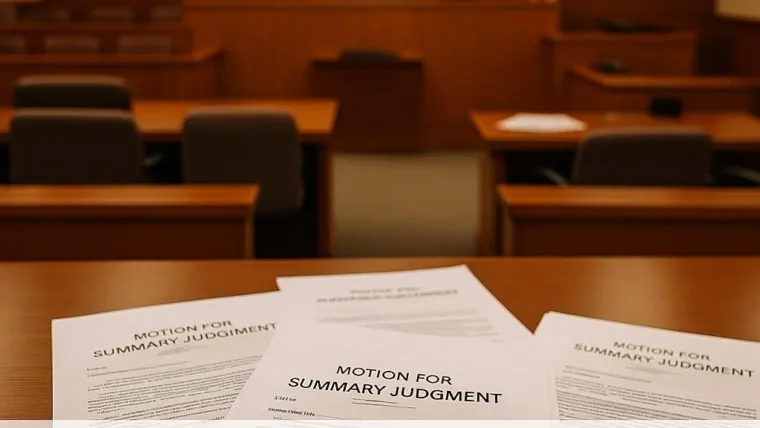
Can a single motion really end your Florida lawsuit before you ever step into a courtroom? The answer is yes—if the facts aren’t disputed, a Motion for Summary Judgment can resolve your case without a trial. This powerful tool is governed by Fla. R. Civ.…
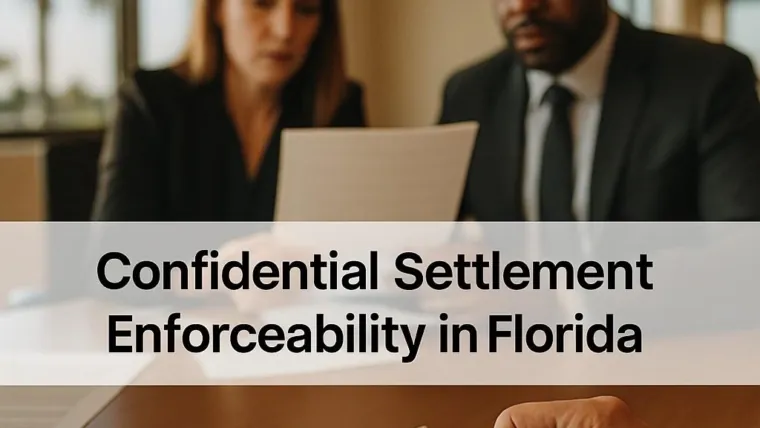
Confidentiality clauses are a powerful tool in Florida civil litigation, but their strength is often misunderstood. Many parties believe a settlement agreement guarantees secrecy, yet Florida courts routinely challenge these provisions when public policy or statutory requirements demand transparency. For instance, if a settlement involves…
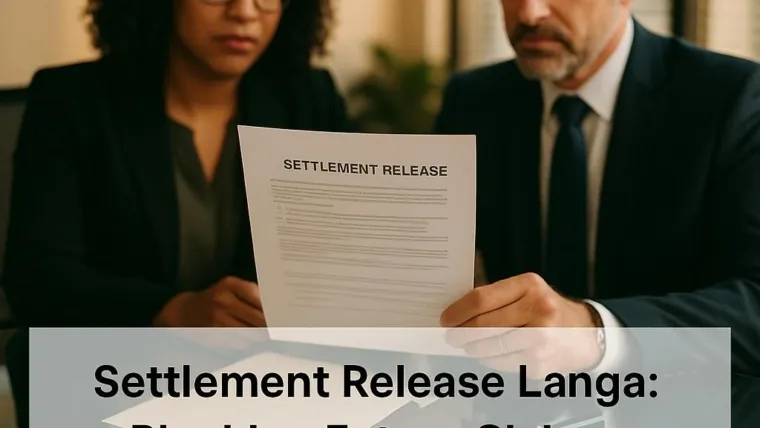
What if one sentence in your settlement release could erase your right to sue for damages you haven’t even discovered yet? In Florida civil litigation, the language of a settlement release is not just a formality—it’s a legal minefield. Courts routinely enforce broad releases, and…
Think winning your Florida lawsuit means you automatically get your attorney’s fees? Not so fast. Florida courts require a strict two-step process: first, you must prove you’re entitled to fees, then you must fight for the amount. This distinction is critical—missing either step can cost…
Ever signed a contract thinking you’d never have to pay the other side’s legal fees? In Florida, a single clause can change everything. Prevailing party clauses are powerful tools that decide who foots the bill for attorney fees after a civil lawsuit. If your contract…
Mixing up attorney’s fees and litigation costs is one of the most expensive mistakes you can make in Florida civil litigation. Attorney’s fees are what you pay your lawyer for their time and expertise, and they’re only recoverable if a statute or contract specifically allows…
Think you’ve won your case? The math behind Florida’s Offer of Judgment could flip the script. Many litigants assume that any victory at trial means attorney’s fees shift, but Florida law is far more precise—and unforgiving. Under Fla. Stat. § 768.79 and Rule 1.442, an…
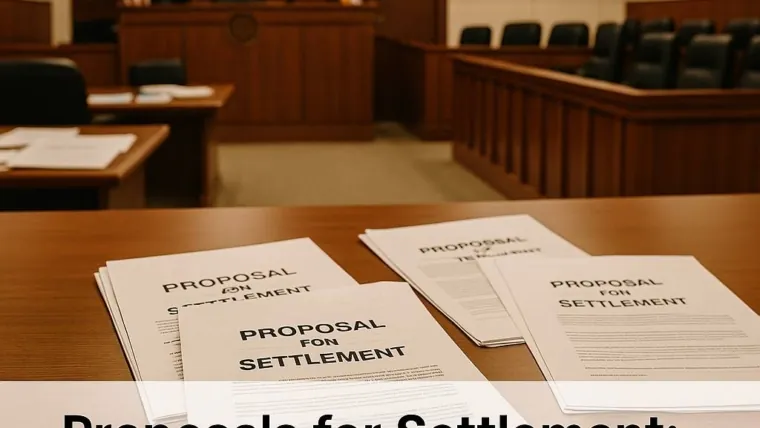
Are you prepared for the financial risks lurking in Florida’s civil litigation? Proposals for Settlement are more than just a formality—they’re a tactical weapon that can shift attorney’s fees and dramatically alter the outcome of your case. If you reject a qualifying offer and the…
What’s the most underestimated document in Florida civil litigation? The mediation statement. Too often, parties treat it as a formality, but in reality, it’s the blueprint for settlement. A well-crafted mediation statement can clarify your position, highlight key evidence, and set the tone for negotiations.…
Think the only way to win a civil lawsuit in Florida is by going to trial? The reality is, Florida courts require most civil cases to go through mediation before you ever see a jury. Mediation isn’t just a procedural step—it’s a strategic opportunity to…
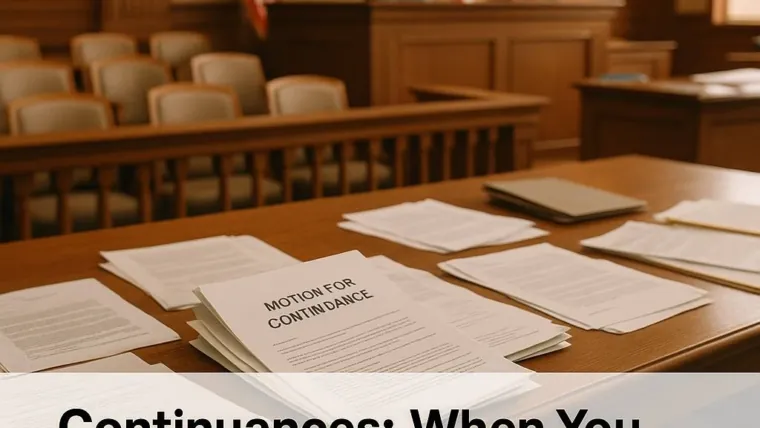
Ever tried to push a Florida hearing back, thinking a simple request would do the trick? Courts here don’t play games with deadlines. Under Fla. R. Civ. P. 1.460, continuances are granted only for good cause, and judges scrutinize every request. You must file a…
Ever seen a party try to outmaneuver the court? In Florida civil litigation, gamesmanship isn’t just frowned upon—it’s actively punished. Judges have broad authority to sanction parties who abuse discovery, file frivolous claims, or ignore court orders. The goal: keep the process fair and efficient.…
Ever thought a simple scheduling hearing could make or break your lawsuit? In Florida civil litigation, the Case Management Conference (CMC) is more than a calendar check—it’s the moment the court sets the pace for your case. Judges use CMCs to establish deadlines for discovery,…
Ever wondered if your bank statements are truly private during a Florida lawsuit? The reality is, Florida’s civil discovery rules make financial records—including bank statements—fair game when they’re relevant to the dispute. Under Fla. R. Civ. P. 1.280, parties can request documents that may lead…
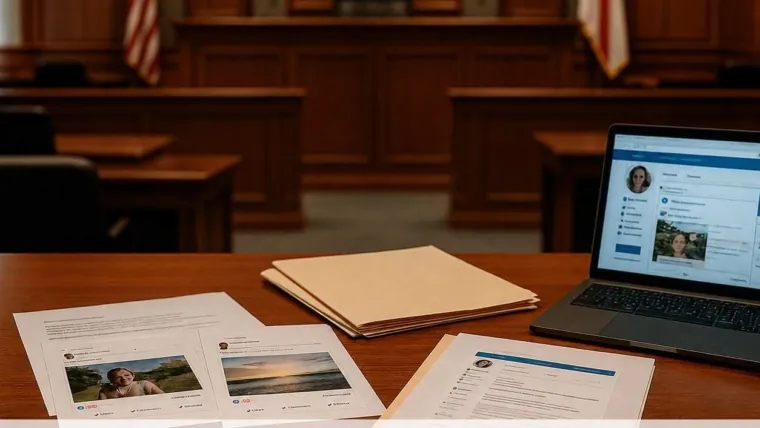
Ever posted something online thinking it would stay private? In Florida civil litigation, that assumption can cost you. Courts have repeatedly ruled that social media posts—even those set to ‘private’—are fair game for discovery if they’re relevant to a lawsuit. The landmark case Nucci v.…
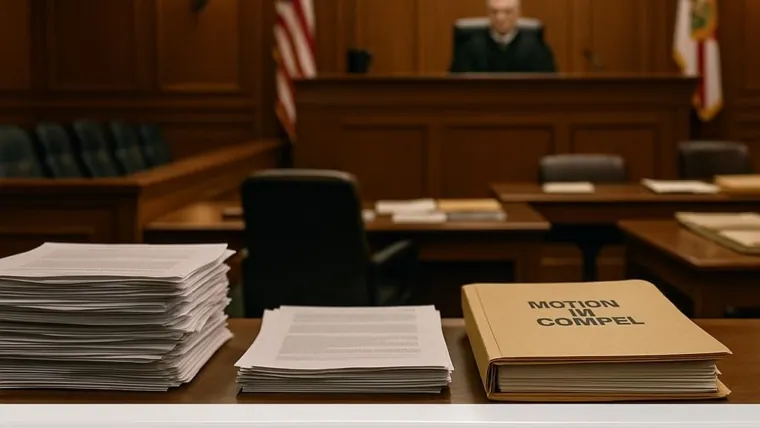
Ever wondered if the other side can simply ignore your requests for documents in a Florida lawsuit? The answer is no—Florida law gives you powerful tools to force compliance. A Motion to Compel is the go-to strategy when the opposing party refuses to produce evidence…
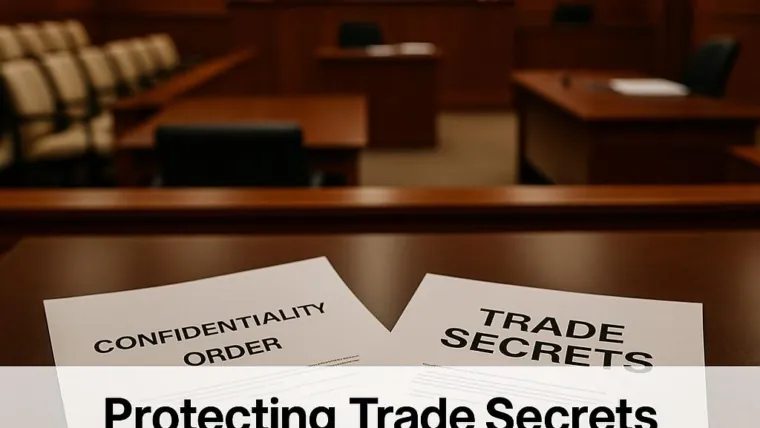
Think your trade secrets are safe just because you’re in court? Think again. Florida’s discovery process can force you to disclose proprietary information—unless you take decisive action. Many businesses and individuals mistakenly assume that the court will automatically protect sensitive data, but without a formal…
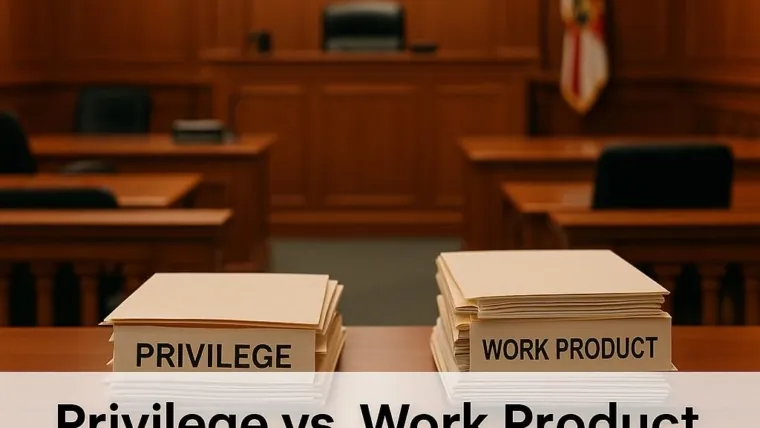
Ever handed over documents thinking they’re protected, only to find out they’re not? In Florida civil litigation, attorney-client privilege and work product protection are often confused, but the stakes are high if you get it wrong. Attorney-client privilege is governed by Fla. Stat. § 90.502.…
What’s the real cost of a careless deposition answer? In Florida civil litigation, the answer can be staggering—sometimes six figures or more. Depositions are not just formalities; they’re the foundation of your case, and every word is recorded under oath. Opposing counsel is trained to…
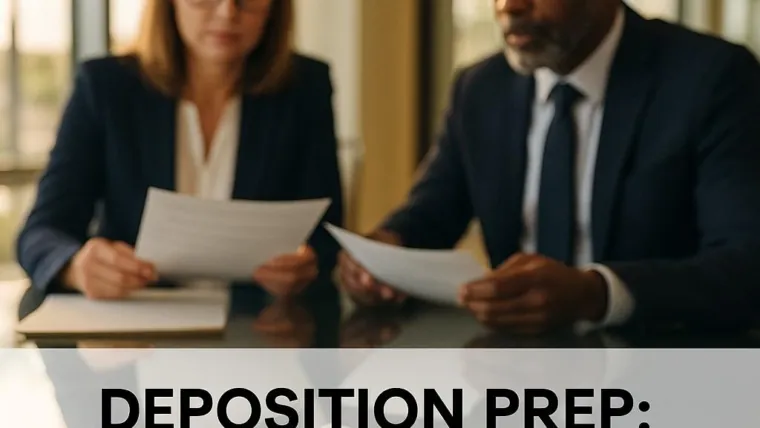
What’s the most common way witnesses sabotage their own deposition? Talking too much. In Florida civil litigation, the rule is simple: answer the question, then stop. This isn’t just a suggestion—it’s a proven strategy for protecting your credibility and your case. Every extra word is…
Ever seen a case collapse because crucial bank records never made it to court? In Florida, subpoenas are the only way to legally compel banks, vendors, and third parties to produce documents or testify. But the process is far from simple. Under Fla. R. Civ.…
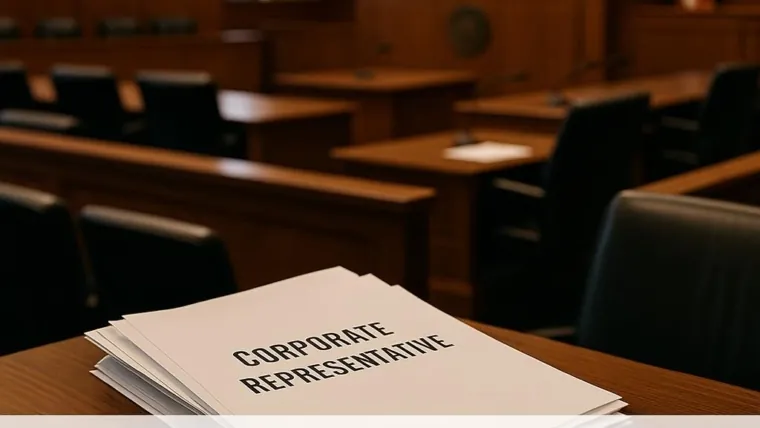
What happens when your corporate representative is called to testify in a Florida civil lawsuit? Under Rule 1.310(b)(6), the answers given aren’t just personal—they’re binding on your entire company. This rule empowers opposing counsel to demand testimony on specific topics, and your rep’s statements become…

Ever thought a single missed deadline could decide your lawsuit? In Florida civil litigation, Requests for Admission are the silent game-changer. These discovery tools force parties to admit, deny, or explain their position on specific facts or the application of law to facts. Under Florida…
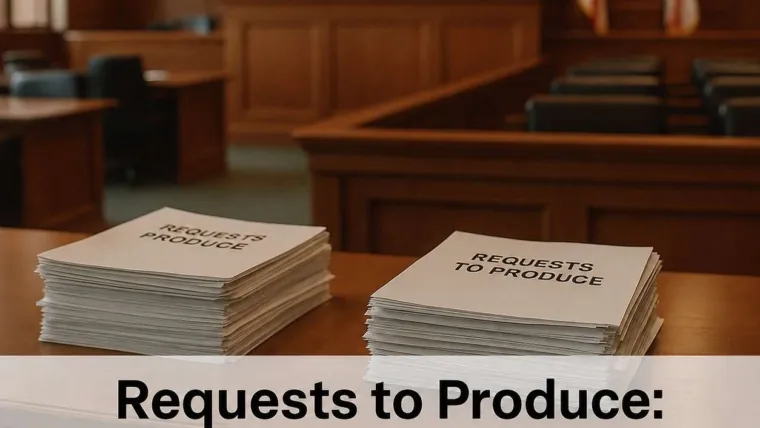
Ever seen a case unravel because a single document changed everything? In Florida civil litigation, Requests to Produce are the legal mechanism that compels parties to hand over documents, emails, contracts, and records—often exposing the truth behind a dispute. Governed by Fla. R. Civ. P.…
Ever been surprised by how a single written answer can shape your entire lawsuit? In Florida civil litigation, interrogatories are written questions served on parties, designed to lock you into your version of events. Once you respond, your answers become part of the official record—any…
What happens when a single legal filing can freeze your real estate deal? In Florida, Lis Pendens is the tool that does exactly that. Under Florida Statutes §48.23, a Lis Pendens is a public notice filed in the county records when a lawsuit involves a…
Ever wonder why so many Florida lawsuits never make it to trial? The answer is simple: discovery. Under Florida Rules of Civil Procedure (Fla. R. Civ. P. 1.280-1.370), discovery is the process where both sides exchange documents, interrogatories, and depositions. This is where evidence is…
What happens when two parties disagree about their rights, but no one wants to wait for a full-blown lawsuit? In Florida, a declaratory judgment is the legal shortcut that lets you ask the court to decide ‘Who’s Right?’—before the conflict explodes. Under Florida Statutes Chapter…
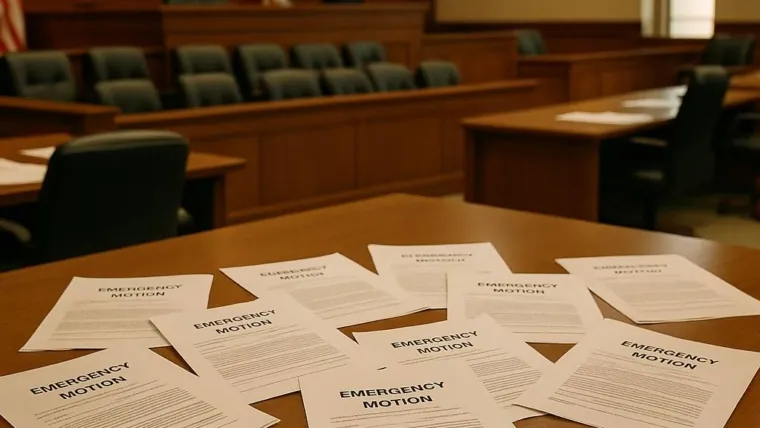
Think Florida courts always move at a snail’s pace? When a true emergency strikes—like imminent loss of property, business disruption, or irreparable harm—judges can schedule hearings in hours, not weeks. But the bar is high: only situations where delay would cause immediate, irreparable injury qualify…
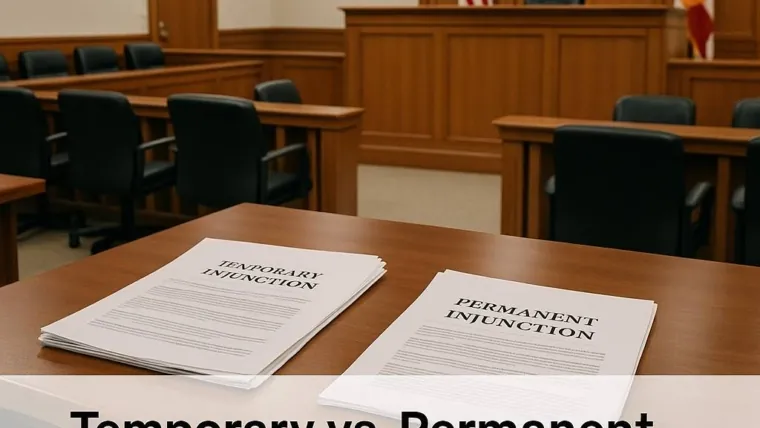
What’s the real risk in confusing a temporary injunction with a permanent one? In Florida civil litigation, the distinction can make or break your case. Temporary injunctions are emergency court orders—granted quickly to prevent immediate, irreparable harm. They’re not meant to last forever, but they…
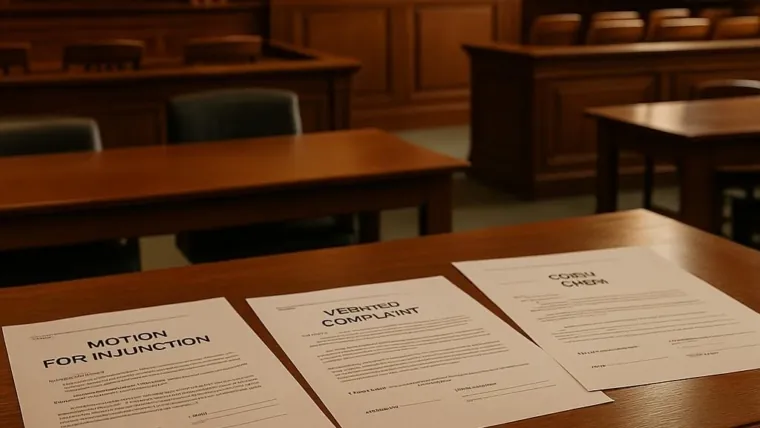
Ever seen a business lose its rights overnight because it waited too long to ask the court for help? In Florida, injunctions are the legal weapon to stop harmful actions—sometimes in hours, not days. But the process is unforgiving: one missed step and your emergency…
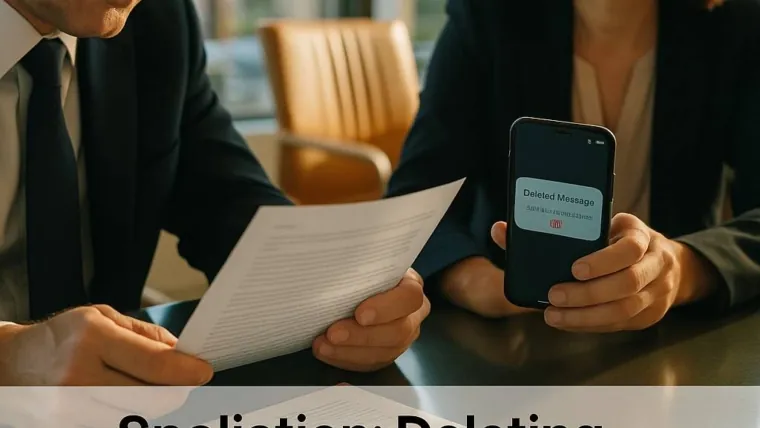
Ever thought deleting a text or shredding a document would make your legal headache vanish? In Florida civil litigation, that move can destroy your case. Spoliation—destroying, altering, or failing to preserve evidence—triggers some of the harshest penalties courts can impose. Once you know or should…
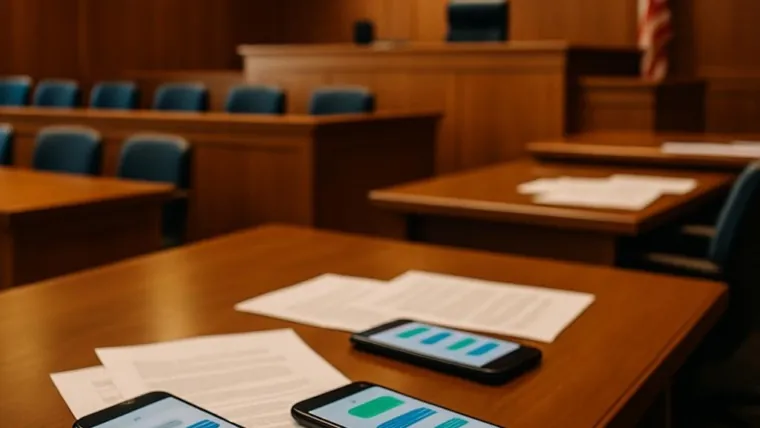
Ever wondered how a single text message could decide the outcome of your Florida lawsuit? In civil litigation, digital evidence is king—and text messages are often the most decisive proof. Florida courts increasingly rely on texts to establish timelines, intent, and agreements. But if you…
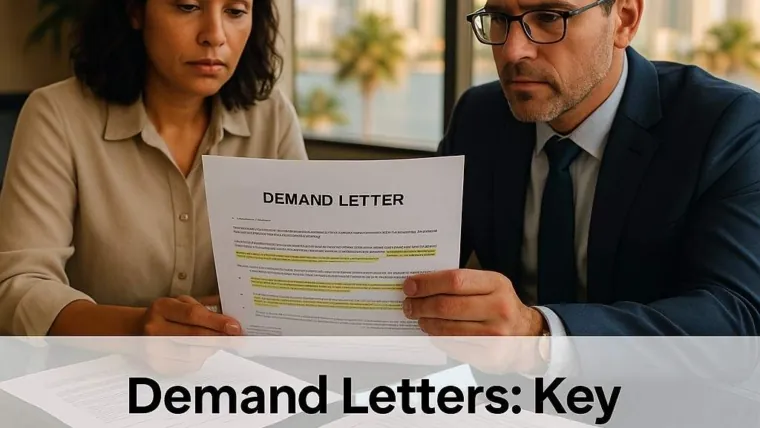
Ever heard of a demand letter derailing a lawsuit before it even starts? In Florida, your demand letter is more than a courtesy—it’s a strategic move that can make or break your case. Courts and statutes, including Fla. Stat. § 768.28, often require a formal…
What’s the fastest way to lose your civil case in Florida? Miss the statute of limitations. This legal deadline isn’t flexible, and courts won’t negotiate. Under Florida Statutes § 95.11, every civil claim—from breach of contract to property damage—has a strict filing window. For example,…
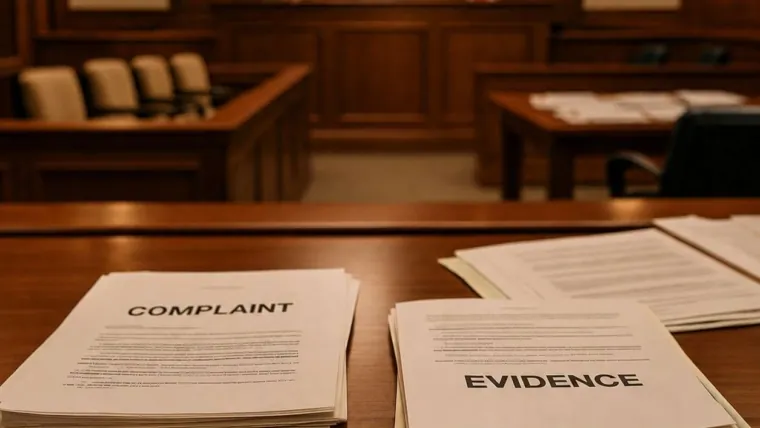
Confusing your cause of action with your evidence is one of the most common—and costly—mistakes in Florida civil litigation. A cause of action is your legal right to sue, such as breach of contract or negligence. Evidence is what you use to prove the elements…
Ever heard of a lawsuit ending before anyone even steps into a courtroom? In Florida, the defense of ‘standing’ is a legal gatekeeper that can shut down your case at the very start. If you don’t have a direct, personal stake in the dispute, the…
Ever seen a lawsuit thrown out because the court simply wasn’t allowed to hear it? Jurisdiction is the invisible gatekeeper in every Florida civil dispute. If you file in the wrong court, your case can be dismissed before it even gets started. Florida courts require…
Ever wonder why the county you’re sued in can make or break your case? Venue isn’t just a box to check—it’s a strategic decision that shapes every aspect of Florida civil litigation. The county determines which court hears your dispute, which local rules apply, and…
Ever wondered if a Motion to Dismiss will actually end your lawsuit—or just drag it out? In Florida civil litigation, this motion is often misunderstood. While it can be a legitimate tool to challenge a defective complaint, it’s also notorious for being used as a…
Think you can ignore a lawsuit? Florida courts won’t wait. The moment you’re served, the legal clock starts ticking—and your first 48 hours are critical. Many people make the mistake of waiting, hoping the problem will go away. But in Florida, delay can mean losing…
Can you really lose a lawsuit in Florida without ever stepping foot in court? Absolutely—and it happens more often than you think. Default judgment is the legal mechanism that allows courts to rule against you if you fail to respond to a lawsuit within the…
Are you sabotaging your own defense before the case even gets rolling? In Florida civil litigation, the Answer and Affirmative Defenses are not just paperwork—they’re your first and best opportunity to protect yourself. Yet, defendants routinely miss the 20-day deadline set by Florida Rule of…
What’s the most common reason Florida lawsuits fail before they ever reach trial? It’s not the law—it’s the facts. The facts you plead in your complaint are the backbone of your case. Florida courts demand that complaints state the ultimate facts showing entitlement to relief,…
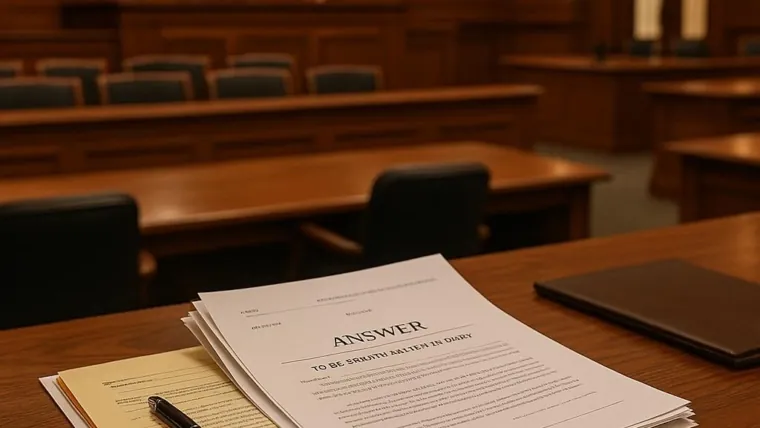
Ever think a simple missed deadline could cost you your entire case? In Florida civil litigation, the 20-day answer deadline is one of the most unforgiving rules defendants face. Once you’re served with a complaint, the clock starts ticking—weekends and holidays included. Under Florida Rule…

Think a handshake seals the deal? In Florida civil litigation, good-faith negotiation is a legal requirement—not just a courtesy. Courts expect parties to genuinely attempt to resolve disputes before and during litigation, and failing to do so can have serious consequences. Florida Statute § 44.102…
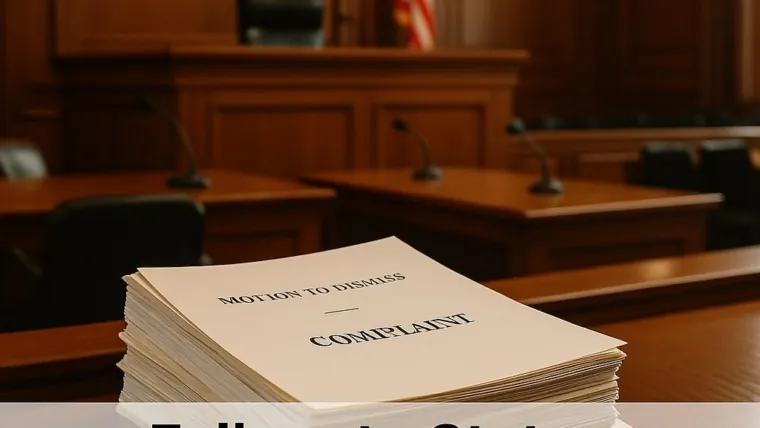
Ever seen a lawsuit thrown out before it even gets started? In Florida, ‘Failure to State a Cause of Action’ is a top reason civil cases get dismissed. This legal phrase means your complaint doesn’t allege every fact and legal element required by statute. Courts…