
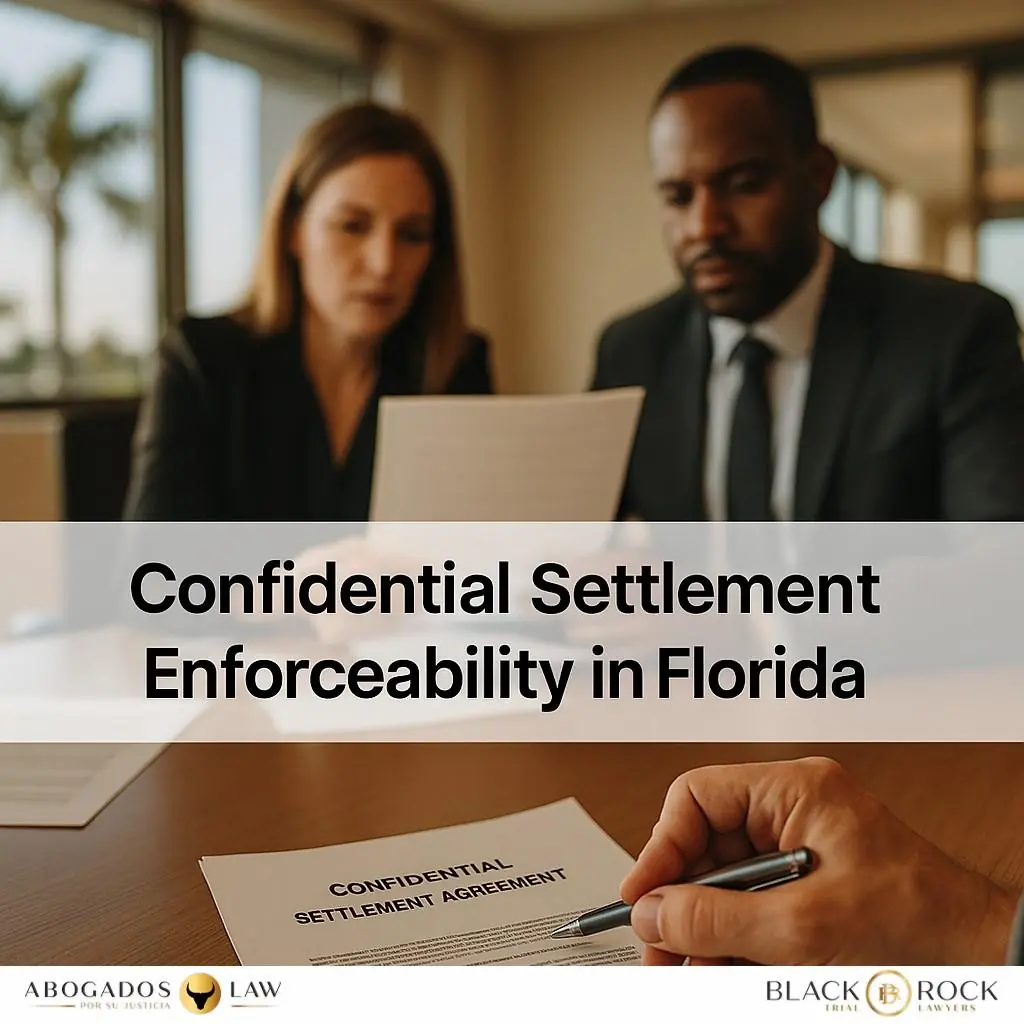
Confidentiality clauses are a powerful tool in Florida civil litigation, but their strength is often misunderstood. Many parties believe a settlement agreement guarantees secrecy, yet Florida courts routinely challenge these provisions when public policy or statutory requirements demand transparency. For instance, if a settlement involves issues affecting public safety or government conduct, judges may override confidentiality to protect the public interest.
Florida law recognizes exceptions to enforceability. Confidentiality can be pierced by court orders, subpoenas, or regulatory investigations. Even if both parties agree to keep terms private, the law may require disclosure in discovery or when statutes mandate openness. Notably, Florida’s public records laws and the Sunshine Law (Fla. Stat. § 119.01) can force disclosure of settlement terms involving public entities or matters of public concern.
Mistakes happen when parties assume secrecy is absolute. Failing to anticipate exceptions can unravel even the most carefully drafted confidentiality language. If you’re negotiating a settlement, it’s critical to understand the legal landscape, anticipate risks, and structure agreements to withstand scrutiny. Our firm helps you navigate these complexities, ensuring your interests are protected and your agreements comply with Florida law.
☎️ Schedule a Legal Consult
📲Call/Text 24/7: 813-254-1777
🌎litigation.blackrocklaw.com
Disclaimer: This content is for informational purposes only and does not constitute legal advice, and laws and legal interpretations may change after the date of publication.
Written by:
Gil Sánchez, Esq.
CEO | Civil Trial Attorney
Black Rock Trial Lawyers
Abogados Law