
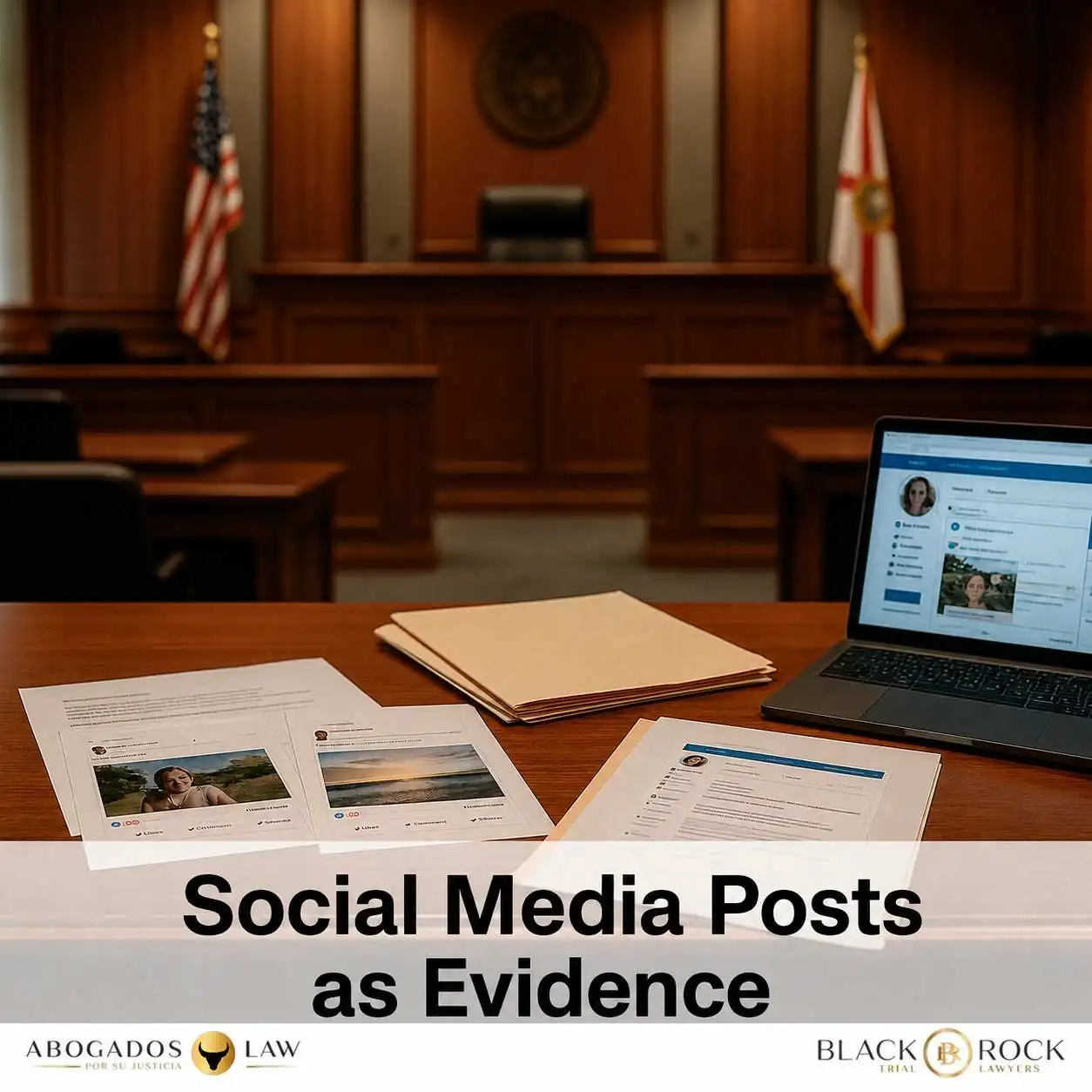
Ever posted something online thinking it would stay private? In Florida civil litigation, that assumption can cost you. Courts have repeatedly ruled that social media posts—even those set to ‘private’—are fair game for discovery if they’re relevant to a lawsuit. The landmark case Nucci v. Target Corp., 162 So. 3d 146 (Fla. 4th DCA 2015), made it clear: privacy settings don’t shield your posts from being used as evidence.
Florida’s Rules of Civil Procedure, especially Rules 1.280 and 1.350, empower parties to request production of social media content. If a post, photo, or message relates to the claims or defenses in your case, a judge can order you to turn it over. Responding to discovery requests is not optional—deadlines are strict, usually 30 days. Missing these deadlines or attempting to delete or hide posts can lead to sanctions, adverse rulings, or even contempt of court.
Many litigants make the mistake of thinking deleted posts are gone for good. In reality, digital footprints linger, and opposing counsel can uncover attempts to hide evidence. If you’re involved in a dispute, protect yourself by understanding how your online activity can impact your case. Social media discovery is a powerful tool in Florida litigation, and a single screenshot can make or break a claim. Our firm helps clients navigate these risks and safeguard their rights.
☎️ Schedule a Legal Consult
📲Call/Text 24/7: 813-254-1777
🌎litigation.blackrocklaw.com
Disclaimer: This content is for informational purposes only and does not constitute legal advice, and laws and legal interpretations may change after the date of publication.
Written by:
Gil Sánchez, Esq.
CEO | Civil Trial Attorney
Black Rock Trial Lawyers
Abogados Law