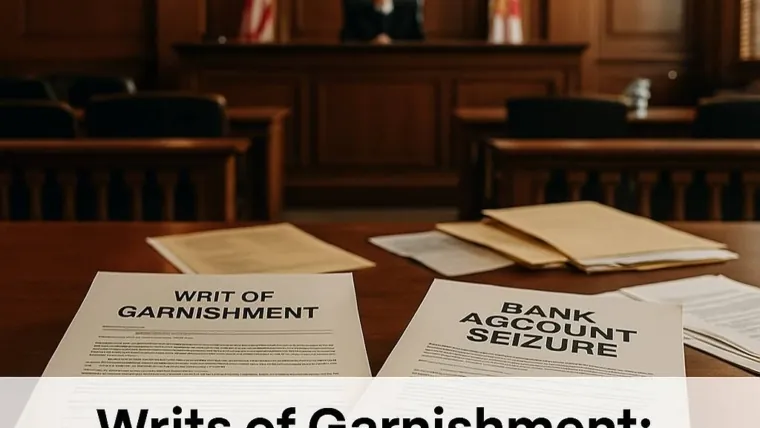

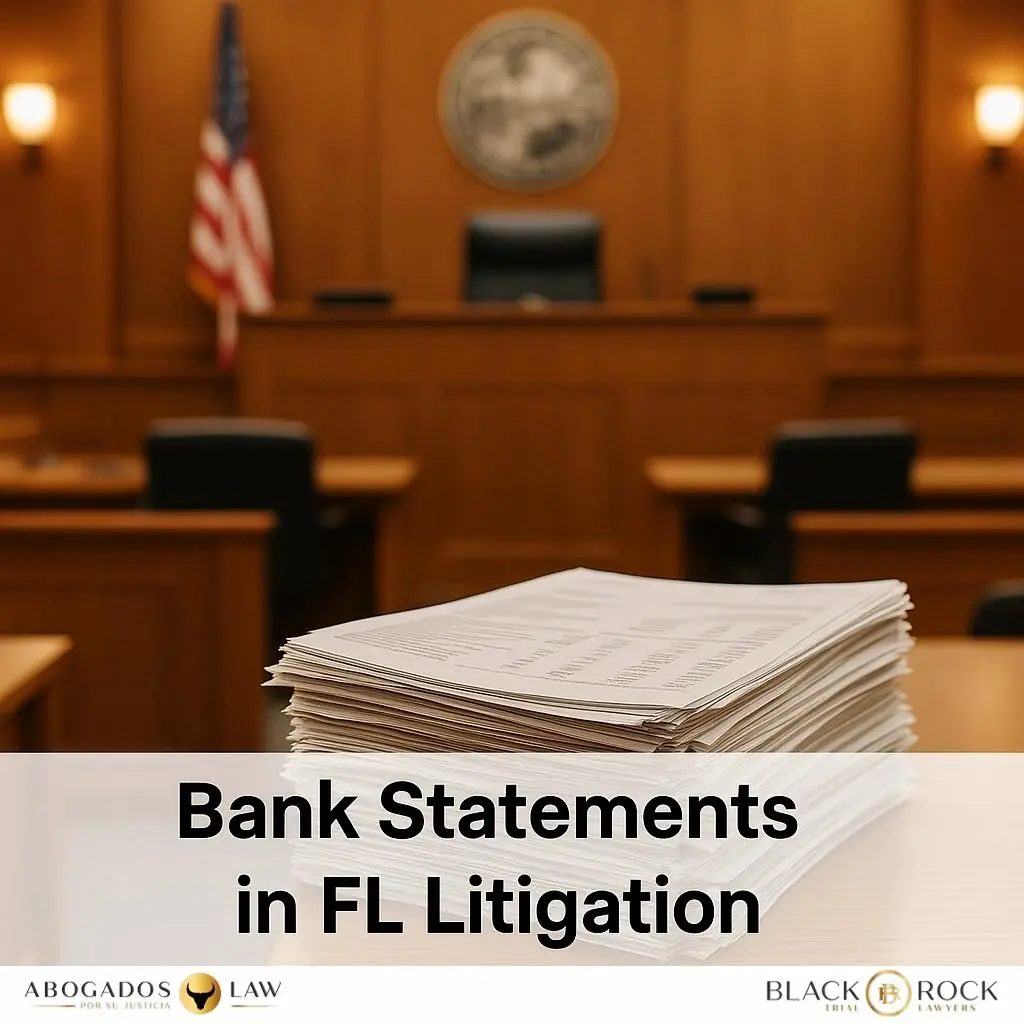
Ever wondered if your bank statements are truly private during a Florida lawsuit? The reality is, Florida’s civil discovery rules make financial records—including bank statements—fair game when they’re relevant to the dispute. Under Fla. R. Civ. P. 1.280, parties can request documents that may lead to admissible evidence, and courts often compel disclosure if financial information is central to the case.
The scope of discovery in Florida is broad. If you’re involved in a breach of contract, business dispute, or even a divorce, opposing parties may demand your bank statements to prove damages, financial motives, or hidden assets. Fla. Stat. § 90.402 confirms that relevant evidence is generally admissible, so objections must be based on legal grounds like privilege or irrelevance—not just privacy concerns. Many litigants make the mistake of ignoring document requests or missing deadlines, risking sanctions or losing their case. If you object, you must do so promptly and with specific legal arguments.
Timing is critical. Florida’s procedural rules set strict deadlines for responding to discovery requests. Failure to comply can result in court sanctions, including adverse rulings or even dismissal. Our firm sees clients surprised by how broad discovery can be—especially when financial motives or damages are at issue. Protect yourself by understanding what’s at stake, responding strategically, and consulting with experienced counsel to navigate the process.
☎️ Schedule a Legal Consult
📲Call/Text 24/7: 813-254-1777
🌎litigation.blackrocklaw.com
Disclaimer: This content is for informational purposes only and does not constitute legal advice, and laws and legal interpretations may change after the date of publication.
Written by:
Gil Sánchez, Esq.
CEO | Civil Trial Attorney
Black Rock Trial Lawyers
Abogados Law