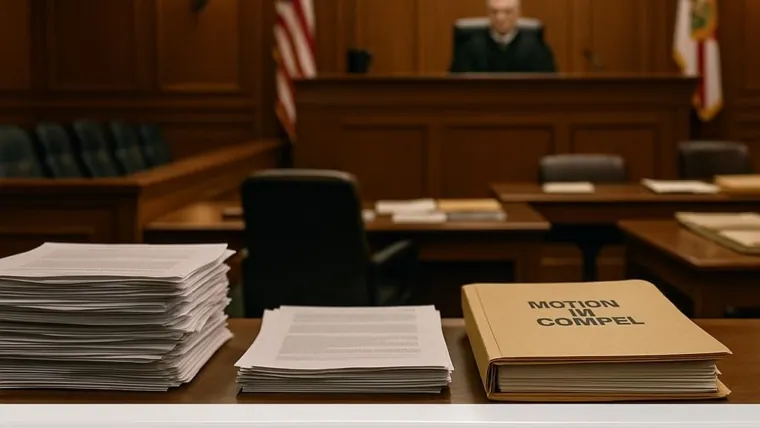


Ever seen a case collapse because crucial bank records never made it to court? In Florida, subpoenas are the only way to legally compel banks, vendors, and third parties to produce documents or testify. But the process is far from simple. Under Fla. R. Civ. P. 1.410, you must issue a subpoena with precise language, serve it properly, and respect privacy laws. Courts scrutinize every step—miss a notice requirement or fail to serve all parties, and your evidence could be excluded.
Florida law requires that subpoenas for records (like financial statements or contracts) be served not just on the holder, but also on all parties to the case. If the records involve sensitive information, you may need to provide advance notice and allow time for objections. Fla. Stat. § 45.035 and related statutes set out deadlines and procedures, including how to handle objections and motions to quash. Timing is critical: subpoenas must be issued early enough to allow compliance before trial or hearings.
Many litigants make the mistake of assuming a subpoena guarantees access. In reality, banks and vendors often push back, citing privacy or procedural flaws. Our firm sees parties lose key evidence because they didn’t follow the rules or missed deadlines. If you’re in a dispute, understanding the subpoena process is essential. Don’t let a technical error undermine your case—get it right from the start.
☎️ Schedule a Legal Consult
📲Call/Text 24/7: 813-254-1777
🌎litigation.blackrocklaw.com
Disclaimer: This content is for informational purposes only and does not constitute legal advice, and laws and legal interpretations may change after the date of publication.
Written by:
Gil Sánchez, Esq.
CEO | Civil Trial Attorney
Black Rock Trial Lawyers
Abogados Law